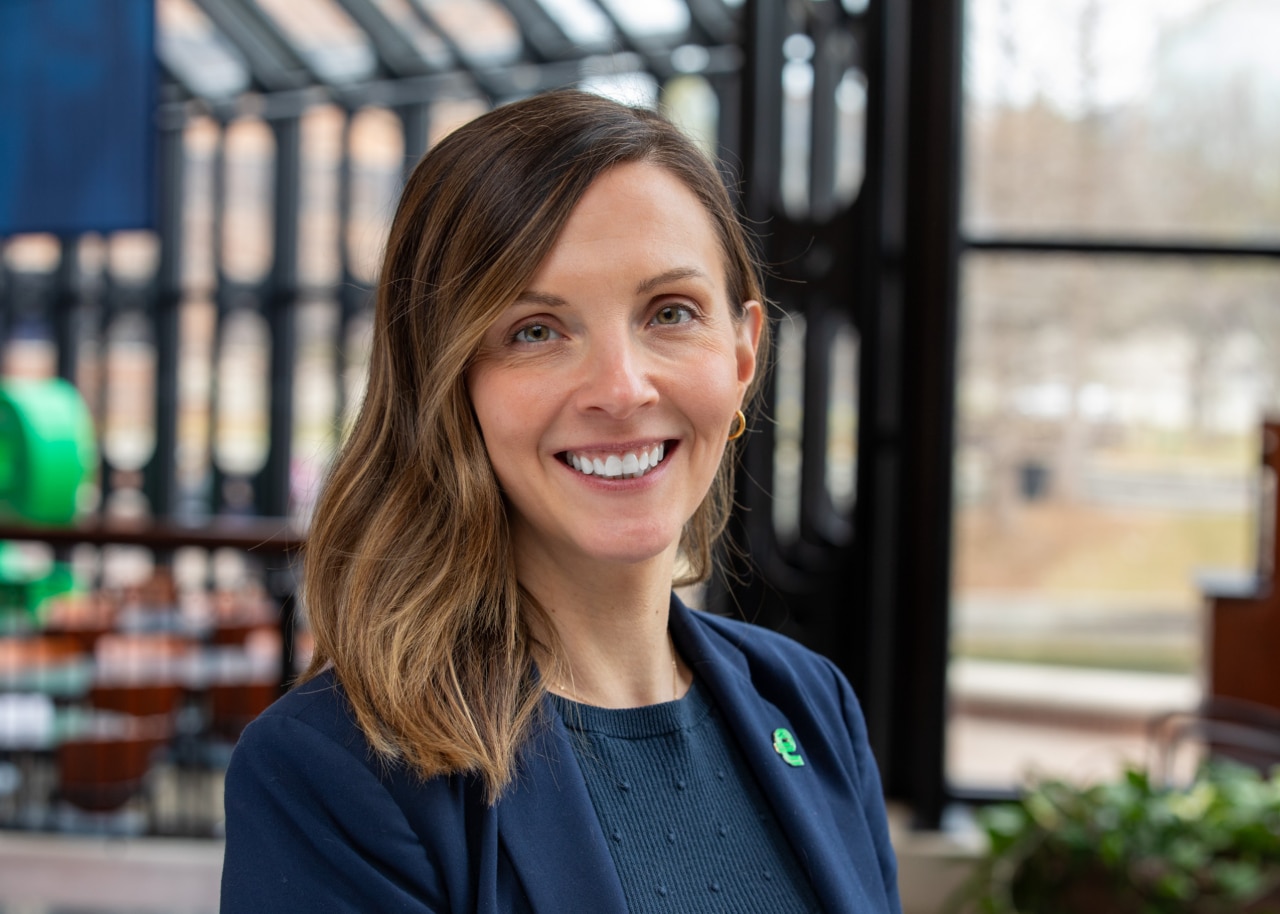

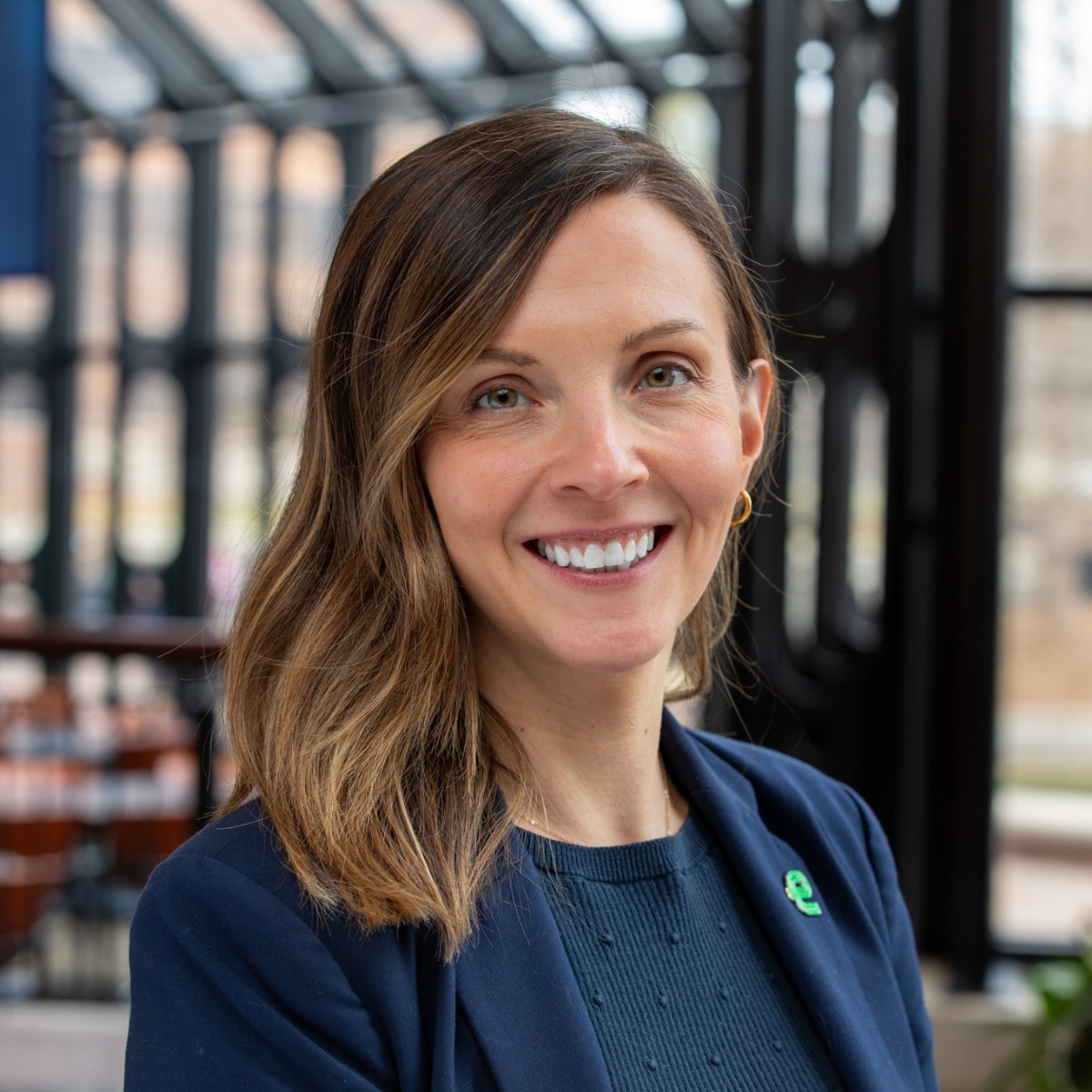
Julie T.
Senior Human Resources Manager
With over 15 years of experience with Enterprise Mobility, Julie T. is leading the way as a strategic Human Resources Manager Senior.Julie began her career at Enterprise as a Rental Reservation Representative and quickly advanced through roles such as Management Trainee and Contact Center Team Manager, Talent Acquisition Manager, and Group Talent Acquisition Manager. Read on as Julie shares her insights on how skills gained during college years set a strong foundation for those launching their careers.
Lisa is a proud military spouse whose personal experiences inspired her and her husband, Rick, to create the Lisa and Rick Ampil Endowed Scholarship at Arizona State University. Committed to supporting military spouses pursuing higher education, Lisa’s story highlights the power of community and resilience. Read on to learn how her journey is opening doors to education for future generations.
Tell us more about the Lisa and Rick Ampil Endowed Scholarship for military spouses at Arizona State University and what inspired you to create it.
As a Group Talent Manager for Enterprise Mobility, I work closely with my alma mater, Arizona State University, to help students launch their careers. During a meeting with the leaders of the Pat Tillman Veterans Center, I was deeply inspired by their mission and the incredible support they provide to veterans and military-connected students.
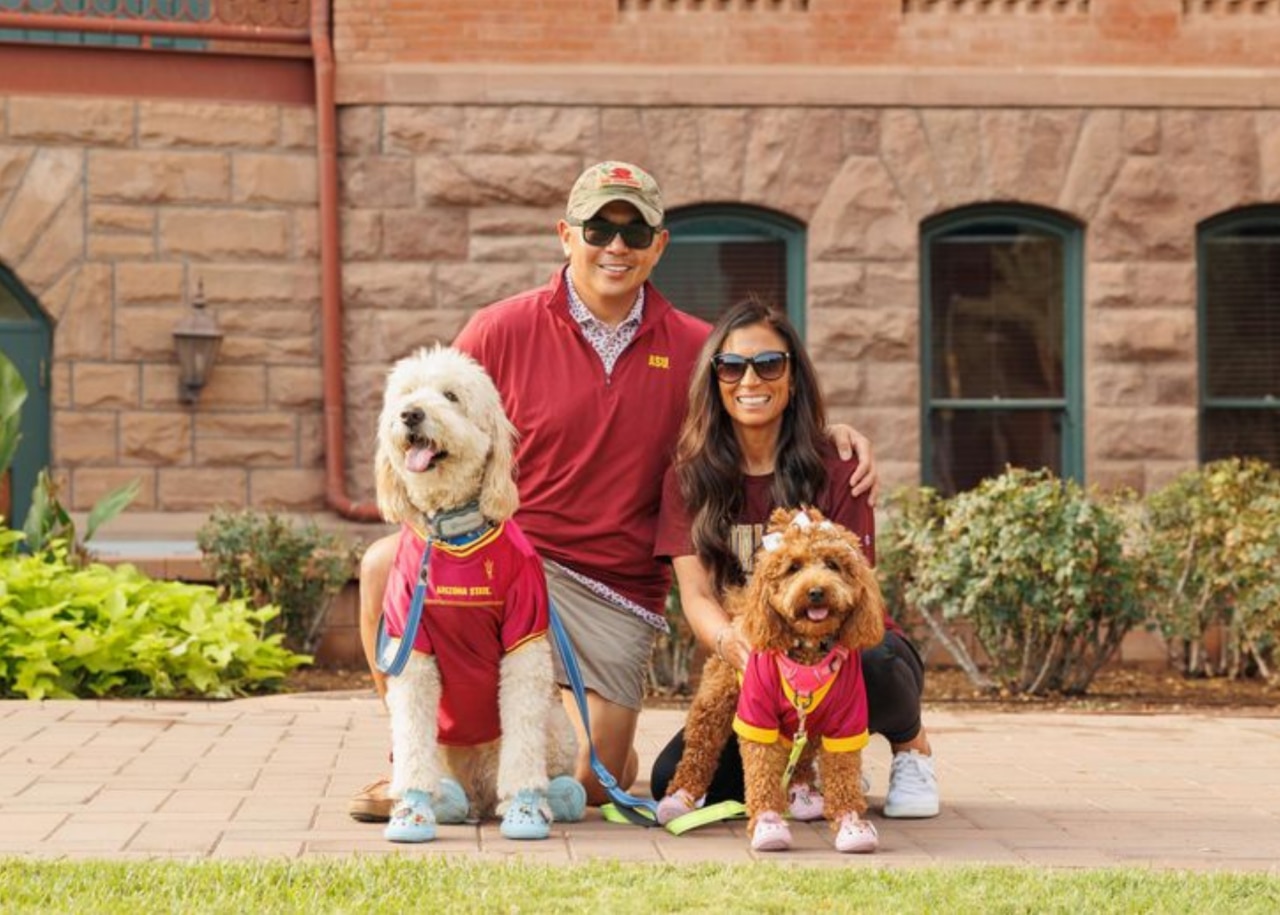
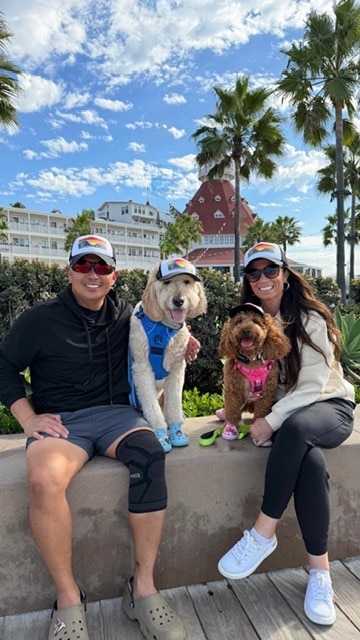
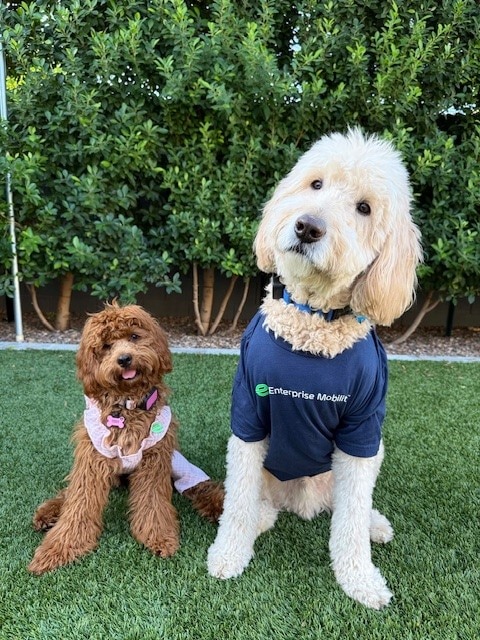 Although my husband Rick and I don’t have children, we do have two very spoiled goldendoodles, Wrigley and Teddy. When I inquired about ways to leave a lasting legacy with the Veterans Center, the response was simple yet powerful: “Why not start now?” That same day, I discussed it with Rick, and he immediately said, “Yes!”
That conversation led to the creation of the Lisa and Rick Ampil Endowed Scholarship. As a military spouse, I wanted to give back to others who share a similar story. Each year, we are honored to award a scholarship to a military spouse pursuing either a bachelor’s or master’s degree at ASU. Helping someone achieve an education they might not otherwise have access to is one of the most rewarding experiences of my life.
 How has being a military spouse shaped who you are today?
Being a military spouse has absolutely shaped who I am today. It has built resilience and independence in ways I never could have anticipated. During Rick’s deployments, especially during his time at war, I learned to navigate uncertainty, take on responsibility, and develop emotional strength. There were periods when I didn’t hear from Rick daily—or even weekly.
His final year of deployment was especially challenging, as I was planning our wedding, which added another layer of stress. Knowing I was never alone because of the support I received at work made all the difference. The support I received at Enterprise Mobility became my lifeline. I had coworkers and leaders who checked in on me daily, ensuring I was okay.
What do you enjoy most about your career at Enterprise Mobility?
I’ve been with Enterprise Mobility for 22 years, and without hesitation, what I enjoy most is the people. One of my favorite founding values is: “Great things happen when we listen to our customers and to each other”. A meaningful example of that is the Veteran’s Resource Group, which I’m proud to be part of here in Arizona. I feel supported in everything I do, professionally and personally.
How have you felt supported by leaders and teammates?
I consistently feel supported by both leadership and teammates who genuinely care about my growth, my career, and my well-being—not just during my husband’s deployments but in all areas of my life. I’m fortunate to have many mentors across the country, and I continue to reach out to them often. Thanks to this organization, I’ve built friendships and connections all around the world, and that sense of community is truly special.
What advice would you give to someone looking to make a career move to Enterprise Mobility?
What are you waiting for? If you’re looking for a stable company with internal career mobility that treats team members with respect, and truly values what you bring to the table, Enterprise Mobility is the place to be. Apply today—you won’t regret it.
Supported by an organization that stands behind its people, Lisa’s story is a testament to what is possible when careers are built with purpose and community in mind. Her journey is evidence that when people advance in their careers at Enterprise Mobility, they can become catalysts for change in their own neighborhoods.
Speak with a recruiter near you to explore current opportunities in your city.
Early career professionals often underestimate just how powerfully their academic experiences prepare them for onboarding and their first week in a new workplace. Coursework, research projects, internships, volunteer roles, and campus involvement all help develop transferable skills that make it easier to integrate more smoothly into a new organization or role.
While the transition from semester-based learning to a work week can feel overwhelming, starting something new does not mean starting from scratch. Leveraging the skills you have already built can accelerate your success and positively shape your first week—often more effectively than trying to create entirely new habits.
How Academics Propel Successful Outcomes
Studying, writing research papers, coordinating events, and completing capstone projects strengthen analytical and critical-thinking skills. Although presenting can feel intimidating, mastering this skill builds tremendous communication competencies that can propel your career forward with confidence and clarity. Participating in and organizing group projects enhances problem-solving abilities while reinforcing collaboration and teamwork skills.
First Jobs, Volunteering, and Leadership Experiences Increase Adaptability
Having an internship or first job, volunteering, or serving in a leadership role in a student or community organizations, cultivates practical skills that provide a strong foundation for success as a new team member. Experiences that develop customer service, time management, accountability, motivation, and balance increase adaptability and prepare you to navigate new responsibilities with greater ease.
Utilizing Tools to Succeed During Onboarding
Approaching onboarding as a learning module can make the experience more approachable and effective. Using tools that already work for you—such as checklists, digital planners, or notebooks—can make the first week feel more organized, familiar, and manageable. In many cases, the habits that supported your academic success will continue to serve you well throughout your career.
New team members contribute energy, fresh perspectives, and a strong desire to grow. By recognizing onboarding as an early opportunity to apply existing strengths while continuing to learn, you can approach your new role with optimism and positive momentum.